Core Sampling for Assay: From the Drill Rig to the Laboratory
A diamond drill rig can recover a perfect, intact rock core — but that core only becomes useful data once it’s been sampled correctly. Core sampling is the step where geology turns into numbers: grade, mineral content, and the chemical assays that ultimately justify (or rule out) further investment in
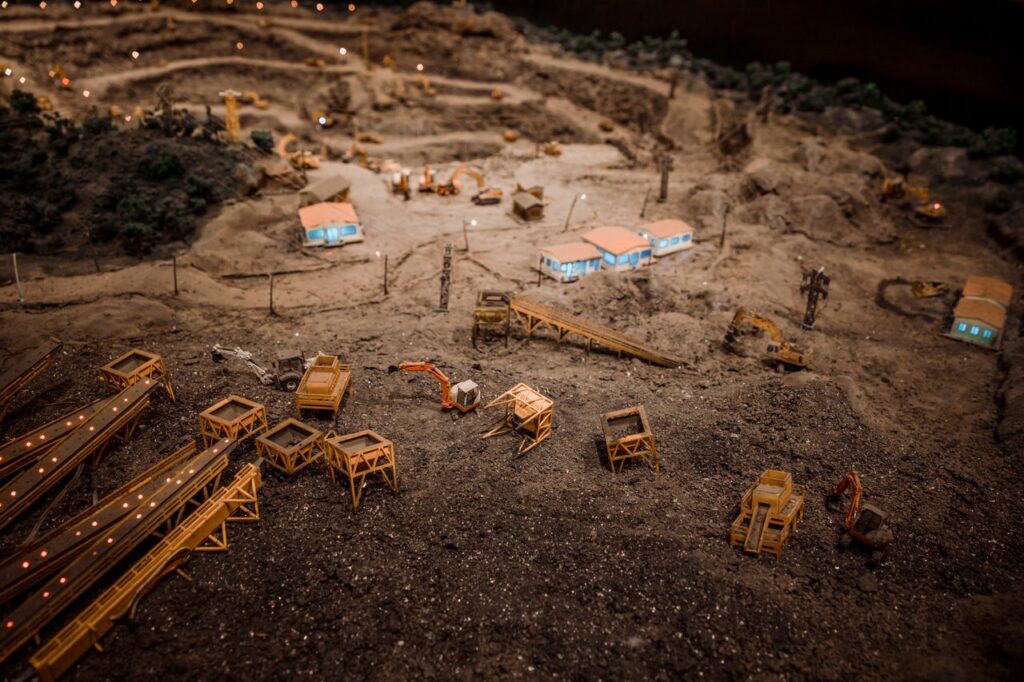
Diamond Drilling Explained: How Core Is Recovered from the Ground
Drilling is the most definitive way to investigate what’s beneath the surface. It’s the only exploration method that delivers direct physical evidence — actual rock — rather than an inference from geophysics or surface sampling. Among the drilling methods available to exploration teams, diamond drilling stands out as the most
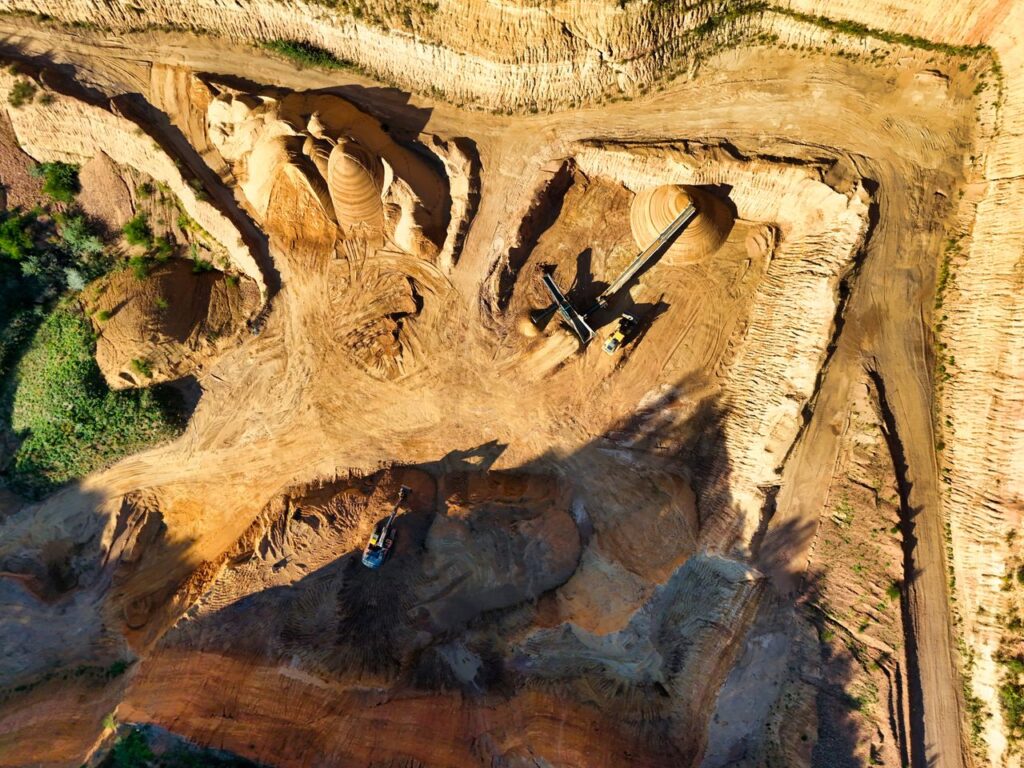
ESG in Mineral Exploration: How Recycled Core Trays Support Sustainability Goals
ESG — environmental, social, and governance performance — has moved from a reporting requirement to a core factor in how mining and exploration companies are evaluated by investors, regulators, and the communities they operate near. For an industry that inherently changes the landscape it works in, ESG criteria have become
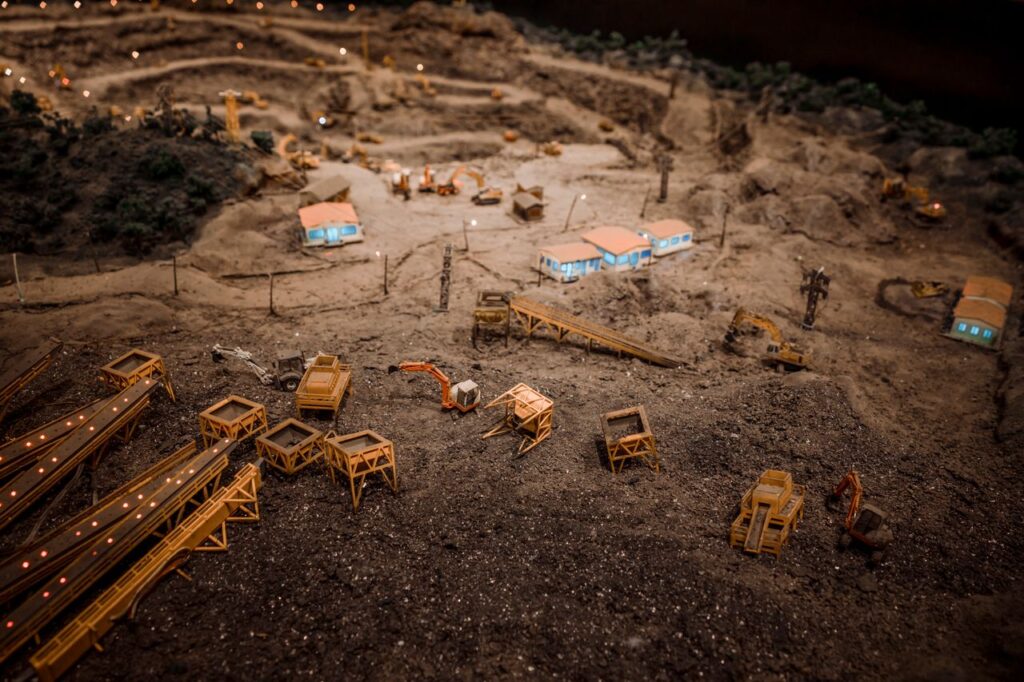
Core Tray Logistics: Stacking, Pallet Storage and Export Across South America
Drilling the core is only half the job. Once a sample comes out of the ground, it has to survive a long chain of handling: sorting at the rig, transport over rough mountain roads, temporary storage at the site, palletized shipping to a core shed or lab, and — increasingly
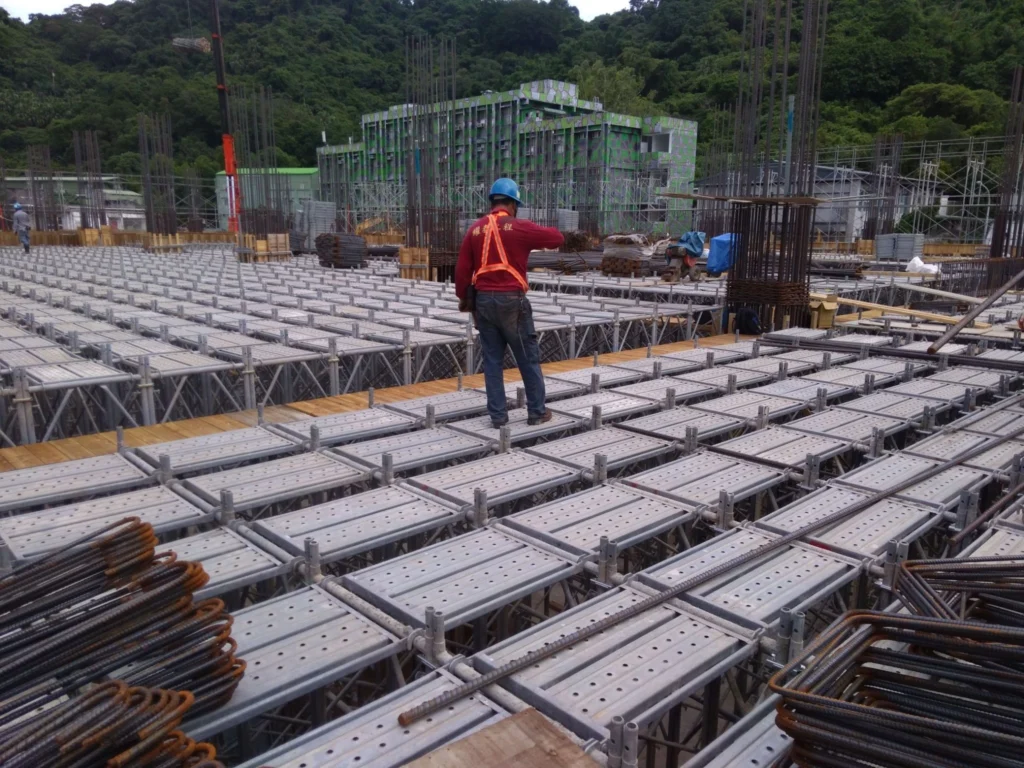
Sourcing Core Trays in Peru and Latin America: A Buyer’s Guide
Mining exploration relies on a chain of processes in which every detail influences the quality of the information obtained in the field. In a region with significant mining activity, such as Peru and several other Latin American countries, the availability of these products has become an increasingly important factor for
UV and Weather Resistance: Choosing Core Trays for Harsh Andes Conditions
Mineral exploration in the Peruvian Andes doesn’t happen in controlled environments. Drill sites sit at 4,000+ meters above sea level, where intense solar UV radiation, extreme temperature swings, and sudden storms are simply part of the daily operating conditions. For geologists and exploration teams, this raises a question that’s easy